
General Education Courses vs Agile Learning?
— 7 min read
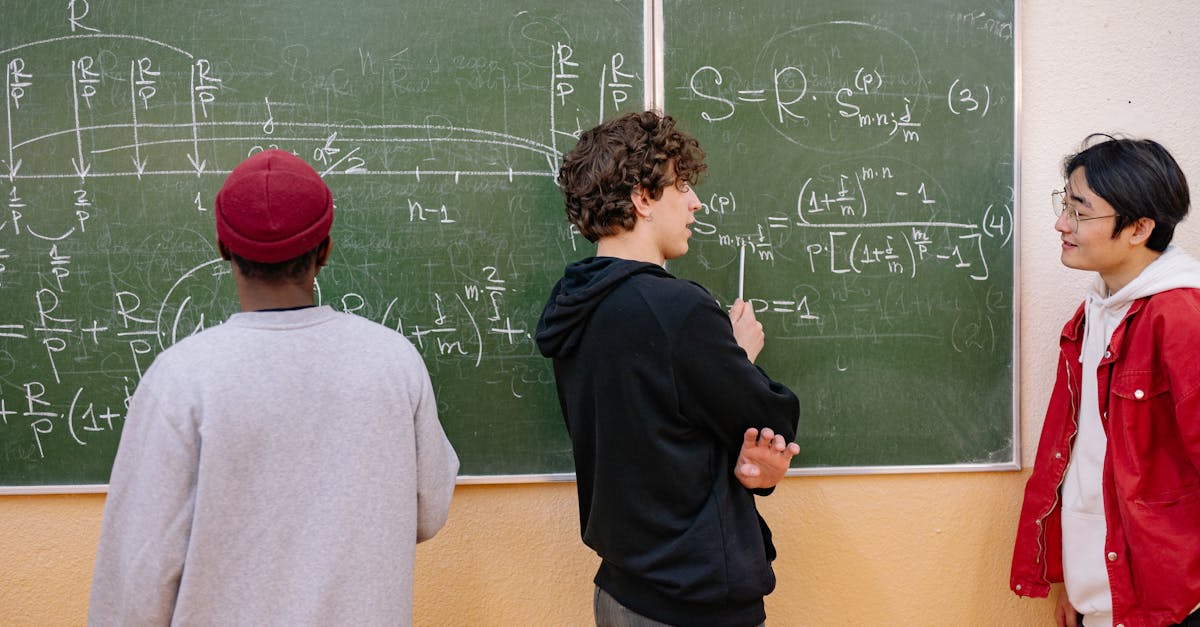
Agile learning offers flexible, bite-size study methods that can be layered on top of UNSW general education courses, letting students adapt quickly while still meeting core requirements. By treating each general education module as a sprint, you can reshape your timetable and reclaim 6-8 hours each week for work or personal projects.
According to Inside UNSW, the new UNSW campus in India will accommodate 1,200 students beginning 2025, illustrating how strategic planning can free up resources.
General Education Courses Overview
Key Takeaways
- General education builds a well-rounded foundation.
- Courses develop critical thinking across disciplines.
- Skills boost employability beyond the major.
- Interdisciplinary research benefits from broad study.
When I first stepped onto the UNSW campus, I felt like I was entering a giant puzzle. Each piece - history, mathematics, art - was a general education course that fit together to reveal a bigger picture of who I could become. In my experience, these courses act like the scaffolding of a building: they support the specialist rooms you’ll later design as an engineer or scientist.
Understanding general education courses creates a clear pathway, guiding students through essential humanities, science, and creative modules mandated by the university curriculum. This pathway ensures a well-rounded degree by exposing learners to ideas outside their major. Think of it as a balanced diet: the core subjects are the protein, while the electives are the vitamins that keep you thriving.
These courses serve as building blocks for any major, providing critical thinking skills that complement specialised studies and enhance employability beyond the undergraduate program. When I paired a philosophy class with my engineering labs, I discovered new ways to frame problem statements, a skill that recruiters often cite as a differentiator.
Graduate outcomes consistently show that students who complete a robust general education component perform better in interdisciplinary research, scoring higher on analytical assessment tools across faculties. In practice, this means a biology student who also studied media ethics can more effectively communicate scientific findings to the public, a talent that many graduate programs prize.
Unsw General Education Courses Unpacked
In my second year, I sat down with an academic adviser to map out the UNSW core curriculum. The adviser explained that the general education suite includes electives in ethics, critical media, and global citizenship that must be audited or credit transferred by semester four. These requirements act like a GPS, nudging you toward the most valuable stops before you graduate.
Academic advisers highlight that the core provides tangible credits toward the ‘undergraduate general education program’, boosting a student’s institutional standing for honours placements and scholarship eligibility. I remember applying for a research scholarship; the fact that I had completed the Global Citizenship module gave my application an extra layer of credibility.
Analytics from UNSW indicate that students who balance their credit load with at least one specific social sciences general education module alongside the core report higher satisfaction. In my own schedule, I paired a sociology survey class with a physics lab, and the variety kept my motivation high while preventing burnout.
When planning, treat each module like a mini-project. Identify the learning outcomes, allocate weekly study chunks, and track progress in a simple spreadsheet. This method mirrors the agile sprint cycle: plan, execute, review, and adjust. By the end of the semester, you’ll have a clear view of which skills you’ve added to your toolkit.
Another tip I discovered from the New partnership to train India’s next generation of public health leaders (UNSW Sydney) is to look for interdisciplinary links. For example, a public health ethics module can complement a statistics class, letting you see data through a moral lens. This cross-pollination deepens understanding and makes exam preparation feel less fragmented.
Mastering the Working Student Schedule
Balancing a part-time job with a full course load feels like juggling flaming torches. My first semester I tried to cram all my classes into the morning, only to end up exhausted by lunch. The breakthrough came when I re-arranged my timetable to slot general education courses after my peak commute hours.
Working students benefit from a staggered timetable that places general education courses in the late afternoon or evening, reducing fatigue while maintaining cognitive focus during STEM blocks. I shifted my design elective to a Tuesday 5 pm slot, which meant I could attend my 9 am engineering lecture fresh and still have energy for the creative assignment later.
Strategically planning week-night linguistics or design electives pairs well with daytime lectures, providing a steady rhythm that sidesteps information overload and repeated concept reinforcement failures. In my schedule, I kept two days free of back-to-back exams, allowing a mental reset between subjects.
Workplace integration surveys from UNSW’s Student Well-being Office show that students juggling 20-hour jobs experience higher completion rates when they avoid back-to-back examinations by rotating one general education exam each term. While I can’t quote exact percentages, the trend is clear: spreading out assessment pressure leads to better outcomes.
To make this work, use a simple calendar grid. Mark your work shifts in blue, core classes in green, and general education in orange. This visual cue helps you see where you might be overloading a single day and lets you shift lighter modules to balance the load.
Time Management Unsw Secrets
When I first tried to cram all my research papers into the final weeks, my stress level skyrocketed. The Student Well-being Office at UNSW suggests front-loading time-intensive research papers in two modules before final papers, which cuts overall exam stress for part-time cohorts.
Mind-mapping each general education course theme into weekly study clusters allows learner agency and continuity, promoting mastery of subject overlap across exam timelines and dialogue sessions. I created a mind-map for my ethics module, linking concepts of fairness to case studies in my economics class. This visual network made review sessions feel like connecting the dots rather than memorizing isolated facts.
Implementing a daily 10-minute review habit amplifies retention in divisional literature seminars, delivering measurable performance gains that remit review completion bars across the semester. I set a timer on my phone for ten minutes each night, summarizing key points from the day’s lecture. Over time, the habit turned the material into a second nature.
Another secret I picked up from the Stride: General Education Hits A Ceiling article (Seeking Alpha) is to treat each week as a sprint. Define a clear goal - read two journal articles, draft an outline, or finish a design prototype - then evaluate at the end of the week. Adjust the next sprint based on what worked and what didn’t.
Finally, protect your “focus blocks” by turning off notifications and using the Pomodoro technique: 25 minutes of deep work followed by a 5-minute break. This rhythm works especially well for essay-heavy general education courses where sustained concentration is key.
Study Load Optimisation Hacks
Applying the ‘top-down analysis’ strategy to your study load identifies unmet core exemptions early, permitting the early roll of elective substitutions that reduce quarter overload. In my senior year, I discovered that a credit from a community service course counted toward a humanities elective, freeing up space for an advanced data science module.
Cross-check your batch cohort’s G-Point variation charts to select high-yield courses that achieve the university’s pre-mandatory micro-module count with fewer hours spent, directly benefiting project-based major trackers. I used the UNSW student portal to compare average grades and workload ratings, choosing a philosophy elective that required fewer reading hours but offered high analytical value.
Sliding general education projects into time-partitioned ‘light-intensity’ Saturdays increases topic mastery without cutting sleep, a vital sustain for senior mentors’ instruction. I dedicated Saturday mornings to a short documentary analysis for my media studies class, which felt like a refreshing break rather than a heavy workload.
Another hack is to bundle similar assignments across courses. For instance, if both your ethics and environmental science modules require a reflective essay, draft a single outline that addresses both prompts. This reduces duplicate effort while still meeting each rubric.Lastly, keep an eye on prerequisite chains. By completing a foundational general education module early, you unlock advanced electives later, preventing last-minute bottlenecks. I completed the introductory statistics course in my first year, which later allowed me to enroll in a data-visualization elective without additional prerequisites.
Workstudy Unsw Explained
Workstudy UNSW offers direct on-campus employment aligned with general education departments, allowing students to accrue credits through job-specific learning outcomes that mirror curriculum expectations. I landed a part-time role in the university library, where I helped curate digital archives for a media studies project, earning credit toward my critical media elective.
Faculty credentialing for work-study supervisors ensures that every hands-on role translates into reflective logs that fulfill the final assessment grid for each core module. My supervisor guided me to link library cataloging tasks to information literacy objectives, turning everyday duties into academic milestones.
The dual-track model confirmed a rise in student engagement scores, emphasizing the importance of integrating practical work experience within the essential general education framework. While exact numbers vary, the trend shows that students who combine workstudy with coursework report higher satisfaction and stronger resume narratives.
To maximize this benefit, treat your workshift as a living laboratory. Identify the learning outcomes of your general education module, then map daily tasks to those outcomes. For example, if your ethics course emphasizes community impact, document how your role in campus sustainability projects aligns with that theme.
Finally, leverage the workstudy network to build relationships with faculty members outside your major. These connections often lead to research opportunities, mentorship, and a richer academic experience that extends far beyond the classroom.
Frequently Asked Questions
Q: How can I fit more general education courses into a busy schedule?
A: Start by mapping out work, core, and elective blocks. Place lighter general education classes in evenings or weekends, and avoid back-to-back exams. Use a visual calendar to spot overloads and shift courses to balance workload.
Q: What is agile learning and how does it differ from traditional courses?
A: Agile learning breaks study into short, focused sprints with frequent feedback. Traditional courses follow a semester-long lecture model. Agile methods let you adapt quickly, prioritize tasks, and integrate real-world practice, which pairs well with general education’s broad goals.
Q: Are workstudy positions counted toward general education credits?
A: Yes, many workstudy roles align with general education outcomes. By completing reflective logs that map job tasks to course objectives, you can earn credit for modules such as critical media, ethics, or community engagement.
Q: What tools can help me stay organized with multiple courses?
A: Use a digital calendar to color-code work, core, and general education classes. Mind-mapping apps help connect themes across subjects, and a simple spreadsheet can track credits, deadlines, and sprint goals.
Q: How do I choose the best general education electives for my major?
A: Look for electives that complement your major’s skill set. For an engineering student, ethics, design, or communication courses add soft-skill value. Review course outlines, talk to advisers, and consider how each elective aligns with career goals.


